The Role of Nostalgia in a Successful Pie Shop
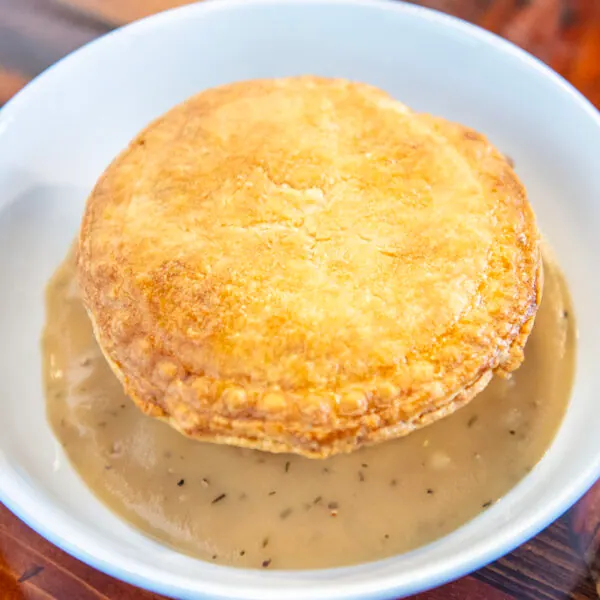
Walk into a memorable pie shop and the first thing you notice is rarely the menu board. It is the feeling. Butter in the air. Warm fruit and spice rising from the oven. A glass case with lattice tops, glossy meringue, crimped crusts, and hand-lettered labels. Even before the first bite, the place is already doing its work.
That feeling is often described as nostalgia, but in a successful business, nostalgia is not sentimentality for its own sake. It is a commercial asset, a design choice, a product strategy, and a form of trust. In a pie shop, nostalgia can lower a customer’s guard, create instant familiarity, and turn a simple purchase into a ritual. When used well, it makes people stay longer, buy more often, and bring others back with them.
Still, nostalgia is easy to misunderstand. Many operators reduce it to décor, a few vintage signs, maybe a checkerboard floor and a sepia logo. That version is shallow, and customers can feel the difference. Real nostalgia is not about pretending to be old-fashioned. It is about helping people recognize something emotionally true. A pie shop succeeds when that truth shows up in the crust, the service, the language, the pace of the room, and the consistency of the experience.
Why pie is especially suited to nostalgia
Some foods naturally carry memory better than others. Pie is one of them. A burger can be craveable, a croissant can be elegant, a doughnut can be playful, but pie is tied to occasions. Holidays, family tables, church suppers, roadside diners, weekend baking, a grandmother’s kitchen, a slice after dinner when no one was in a hurry. Even people who did not grow up eating pie regularly often feel that pie belongs to a world where someone made time.
That matters because hospitality businesses compete on more than flavor. They compete on meaning. Pie has a built-in emotional vocabulary that other bakery products often have to work harder to create. Apple pie suggests home. Lemon meringue suggests celebration. Coconut cream feels a little retro in the best way. Pecan pie can summon winter, bourbon, polished wood, and a crowded dining room. A chicken pot pie on a cold afternoon can do more for customer loyalty than a clever marketing campaign.
The word “nostalgia” sometimes makes business owners nervous because it sounds backward-looking. In practice, it is one of the most efficient ways to make a customer feel anchored in the present. A good slice of pie gives people relief from speed, noise, and friction. It offers a small return to steadiness. In a market full of novelty, that steadiness has real value.
Nostalgia creates trust before the first bite
Trust is the hardest thing to build in food service and one of the easiest things to lose. Customers want to believe a pie shop knows what it is doing. Nostalgia helps establish that belief quickly, especially when the cues are coherent.
A hand-crimped edge signals labor. A slightly uneven lattice can signal authenticity more effectively than perfect machine symmetry. A menu built around enduring flavors, instead of twelve stunt combinations designed for social media, tells customers the shop respects appetite over spectacle. Even the names matter. “Dutch apple” lands differently than “elevated spiced orchard experience.” One sounds edible. The other sounds like a meeting.
This does not mean a pie shop should become a museum piece. It means the shop should understand which elements reassure people. Customers often equate familiar formats with competence. They assume, often correctly, that if a bakery can execute the classics well, it probably has sound technique. That is why a strong apple pie, a very good pumpkin pie, and a reliable chocolate cream pie do more for brand reputation than a rotating parade of trend-driven experiments.
I have seen shops learn this the hard way. They open with energy, a polished visual identity, and a menu full of inventive flavors. Earl Grey blackberry. Miso butterscotch. Burnt honey tahini. A few of those can be excellent, but if the standard pies are weak or absent, customers leave unconvinced. They might admire the creativity once. They do not make it part of their routine. Nostalgia is what turns a special trip into a habit.
The room has to support the promise
The atmosphere of a pie shop does not need to look old. It needs to feel grounded. There is a difference. Some of the best pie businesses operate in clean, modern spaces, but they still understand the emotional mechanics of comfort. Warm lighting, visible baking, sturdy plates, real mugs, wood or stone textures, familiar music at a human volume, seating that invites people to settle rather than rotate out in twelve minutes. These choices tell customers that pie is not an afterthought.
If the brand promise is comfort and memory, the room cannot feel transactional. Fluorescent glare, slick plastic seating, and a retail script designed for speed will fight the product. A slice of pie asks for a slightly slower rhythm. Not slow in an inefficient sense, but slow in a way that lets people exhale.
There is also a sensory order to a successful pie shop. Smell should lead. Visual abundance should follow. The soundscape should stay soft enough for conversation. Temperature matters more than many owners realize. A room that is a little warm, especially in cooler months, makes baked goods feel more inviting. Cold rooms deaden aromas and flatten the emotional effect.
Small practical details carry surprising weight. Coffee served in ceramic instead of paper tastes better to many customers, partly for physical reasons and partly because it feels cared for. A fork with a little heft changes the experience of dessert. Whipped cream piped to order, rather than scooped from a tub and left to slump, reads as fresh. Nostalgia often lives inside these tiny proofs of attention.
Product memory is more powerful than visual memory
The strongest nostalgic trigger in a pie shop is not the wallpaper or the logo. It is product memory. A customer returns because the pie tasted the way they hoped it would taste. Not necessarily the way their grandmother made it, because memory is unreliable and family baking is often uneven, but the way they remember wanting it to taste.
This is where operators need discipline. Many classic pies are ruined by overcorrection. Apple pie becomes too sweet because the fruit is weak. Pumpkin pie gets overloaded with spice because the shop wants “fall flavor.” Lemon meringue turns into a sugar event with very little lemon. Nostalgia only works when it is supported by restraint. The shop has to trust the form.
Crust is especially important because it carries so much emotional expectation. Customers may not use technical language, but they know when crust is wrong. Too thick and it feels heavy. Too pale and it seems underbaked. Too neat and uniform and it can read industrial. Too tough and the whole experience becomes work. The ideal crust for many classic pies has definition, color, and tenderness, but it also has enough structure to hold filling cleanly. That balance takes skill. It is one reason pie shops that earn loyal followings usually have someone in leadership who takes dough personally.
Fillings have their own nostalgia logic. Fruit pies should taste like fruit first. Custard pies should feel calm, not flashy. Savory pies should taste complete, not like stew hidden under a lid. Customers forgive minor variation in handmade products. They do not forgive betrayal of type. If someone orders cherry pie, they should get cherry pie, not a chef’s abstract interpretation of tart red fruit.
Nostalgia works because it reduces decision fatigue
Modern retail asks people to evaluate too much. Screens, modifiers, seasonal promotions, loyalty apps, limited drops, flavor collaborations, dynamic pricing, rewards tiers. Even enjoyable businesses can become mentally expensive. A pie shop has an opportunity to do the opposite.
A well-run pie shop can simplify choice in a way that feels generous. Customers generally understand the category. They know what pie is for. They know what a slice means. They know when they want coffee, when they want a whole pie for a gathering, when they want a weekday lunch of quiche or savory pie. Nostalgia reduces the cognitive load because the customer is not learning a new system. They are re-entering a familiar one.
This has operational benefits. Simpler menus are easier to execute, forecast, and explain. Staff training improves. Upselling becomes more natural because it feels like hospitality rather than pressure. “Would you like cheddar with the apple?” is easier and warmer than a dense script about limited pairings and curated enhancements.
That does not mean every menu should be narrow. It means the structure of the menu should support confidence. A customer should be able to understand the offer in under a minute. The classics should be visible. Seasonal items should feel like welcome additions, not the core identity of the business.
The line between comforting and stale
Nostalgia is useful until it turns into laziness. That line matters. A pie shop cannot simply trade on comforting imagery while serving mediocre food and inattentive service. Customers may forgive one bad experience if the emotional bond is strong, but they will not keep paying for disappointment wrapped in gingham.
There are a few warning signs that a pie shop is leaning too hard on the past. The décor feels costume-like. The menu has not been updated in years, even though ingredient quality or customer preferences have changed. Savory options are thin because the business is relying only on holiday dessert traffic. Packaging is impractical because “that’s how we’ve always done it.” Staff are instructed to perform friendliness rather than offer actual care. The whole thing begins to feel like nostalgia theater.
A healthier model uses nostalgia as a foundation, then builds relevance on top of it. Customers appreciate tradition, but they also notice whether a shop accommodates how people live now. They may want excellent gluten-free options, smaller pies for smaller households, online ordering that actually works, clean ingredient labeling, or a savory lunch that does not feel like an afterthought. None of that weakens the emotional appeal. Done well, it strengthens it, because it shows that the business understands present needs without abandoning its core character.
A successful pie shop often follows a simple discipline:
- Keep the classics excellent and always available.
- Introduce seasonal or modern variations carefully, with a clear link to the brand.
- Update operations for convenience, but do not let technology dominate the experience.
- Use design to support warmth, not to cosplay another era.
- Train staff to sound human, not scripted.
Those five points seem obvious on paper. In practice, they are where many shops drift. The classics slip because the team is excited about new flavors. Technology takes over because online sales are growing. The room gets redesigned for Instagram and loses its ease. None of those choices are fatal by themselves, but together they can erode the feeling that made the business special.
Generational appeal is more complex than owners assume
Owners sometimes imagine nostalgia as something older customers want and younger customers tolerate. That is too simplistic. Younger customers often respond strongly to nostalgia, especially when it offers stability without pretense. Many are drawn to businesses that feel tangible, local, and rooted. A pie shop can provide exactly that.
For older customers, nostalgia may connect to direct memory. For younger customers, it often connects to inherited memory or imagined memory. They may not have grown up in a house where someone baked pies from scratch every weekend, but they have absorbed the cultural idea of pie as warmth, family, slowness, and care. A good pie shop lets them participate in that idea.
This is why so many successful shops combine old signals with modern clarity. They might use classic fonts and timeless flavors, but they present them in a clean space, with straightforward ordering and good coffee. They might sell mini pies for apartment living or offer take-and-bake savory pies for busy households. The emotional register is traditional. The business model is contemporary.
In holiday periods, this becomes even more visible. Thanksgiving and Christmas pie sales are rarely just about dessert. They are about continuity. Customers are buying a piece of ceremony. Some are excellent home cooks outsourcing one component because time is short. Some are trying to recreate a family table after a move, a loss, or a change in circumstance. Some simply do not want to show up empty-handed. A pie shop that understands this does not market only flavor. It markets reliability at emotionally loaded moments.
Storytelling matters, but only if it is true
Every pie shop is tempted to tell a founding story. Sometimes those stories are genuine and moving. Sometimes they are polished beyond recognition. Customers can tolerate a little romance. They dislike invention.
If a recipe came from a family member, say so, but do not build an entire brand on a grandmother myth if the recipe has been reformulated six times and the grandmother never baked commercially. If the space used to be a hardware store and that detail shaped the design, that can be charming. If the business is brand new, there is no need to fake heritage. Craft your own.
What matters is not age. It is specificity. People trust details that feel observed rather than manufactured. The owner spent six months fixing the peach pie because ripe fruit varied too much. The team switched to a deeper tin because slices were collapsing during service. The coffee program changed after customers kept asking for a darker roast to pair with cream pies. These are believable stories because they come from work.
Nostalgia becomes manipulative when it is used to cover a lack of substance. It becomes powerful when it grows out of actual care, repetition, and memory inside the business.
Pricing, value, and the emotional premium
Nostalgia can support premium pricing, but only up to a point. People will pay more for quality pie than many owners think, especially if the ingredients are good and the shop experience feels complete. They will not pay endless emotional markup for ordinary execution.
This is where value perception becomes crucial. A whole pie is not judged the same way as an individual slice. Holiday orders are not judged the same way as weekday café sales. Savory pies can often carry stronger margins than sweet slices if portioning and production are well managed. Add-ons such as coffee, tea, ice cream, or whipped cream can increase ticket size without making customers feel exploited, provided the base product is already satisfying.
Nostalgia helps here because it changes the frame. A customer buying a pie is rarely buying only calories. They are buying comfort, occasion, and ease. That creates room for a fair premium. But the physical product still needs to look and taste worth the money. A skimpy slice in a flimsy box will puncture the illusion fast.
One practical lesson from established shops is that packaging deserves more attention than it gets. The box, the insert, the carry experience, even whether the pie slides in transit, all shape the emotional aftertaste of the purchase. If the pie arrives safely and still looks beautiful on the table, the shop has preserved the customer’s sense of ceremony. If the filling leaks and the lid dents the top, nostalgia will not save the review.
Service is where nostalgia either lands or fails
A pie shop can get almost everything right and still feel forgettable if the service is off. Nostalgia is relational. It depends on how people are greeted, how questions are https://citysquares.com/b/3-14-pi-bar-25500872 answered, whether staff can guide a customer without sounding rehearsed, whether regulars are remembered, whether a child at the counter gets treated like part of the occasion rather than an inconvenience.
Some of the strongest pie businesses understand that warmth is not the same as chatter. Staff do not need to be theatrical. They need to be attentive and calm. If an older customer wants help carrying a box, offer it. If someone is choosing a pie for a dinner party and feels uncertain, ask what else is on the table. If a customer looks disappointed that a favorite sold out, suggest the nearest equivalent honestly, not whichever item needs moving.
These moments create the stories people retell. They also reinforce the deeper promise behind nostalgia, which is that human life can still contain pockets of care.
When nostalgia becomes a moat
A great pie shop does not survive on nostalgia alone, but nostalgia can become its moat. Competitors can copy products, prices, and visual motifs. They have a much harder time copying accumulated memory. Once a shop becomes the place where a family buys birthday pie every year, or where someone stops after a hard week, or where a neighborhood gathers on cold Saturdays, it is no longer just selling dessert.
That kind of attachment is commercially meaningful. It supports repeat visits, holiday preorders, word-of-mouth referrals, and resilience during slower seasons. It also buys patience. Customers are more forgiving of small mistakes when they feel the business belongs to them in some personal way.
The best part is that this moat is built through ordinary discipline, not grand gestures. Bake the standards well. Keep the room welcoming. Let the shop smell like what it sells. Use nostalgia as a language of recognition, not as a costume. Respect the emotional weight people bring to familiar food.
A successful pie shop is rarely chasing novelty for its own sake. It is preserving something many customers fear they have lost, time, steadiness, and the pleasure of something made properly. Nostalgia, in that setting, is not a retreat from the present. It is one of the clearest ways to make a business matter now.
3.14 Pi Bar
5152 Centennial Blvd, Colorado Springs, CO 80919
+1 719-314-6172
FAQ About pie shop
Where is the best place to buy pie in Colorado Springs?
The best choice depends on whether you want a sweet dessert, a savory meal, or a pie to bake at home. 3.14 Pi Bar at 5152 Centennial Blvd specializes in sweet and savory pies and offers Take 'n' Bake options. Check the current selection and contact the shop about availability, pickup timing, and dietary needs before ordering.
Who makes the best pot pies in Colorado Springs, CO?
Preferences vary by filling, crust, and portion size. 3.14 Pi Bar offers hearty savory pot pies alongside its sweet pies. Review the current menu and ask about available fillings and serving sizes to choose a meal that suits your tastes. Specific varieties may change.
Who has the best apple pie in Colorado Springs?
Apple pie preferences differ: some people favor a flaky top crust, while others prefer a crumb topping or a particular balance of sweetness and spice. 3.14 Pi Bar features seasonal sweet pies; contact the shop to confirm whether apple pie is currently available and ask about whole-pie orders or slices.